
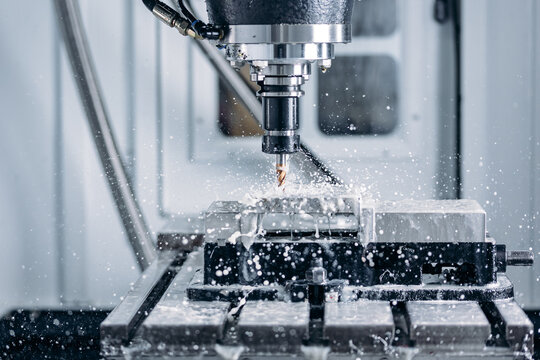
As global industries continue to evolve, the demand for faster production cycles, higher precision, and improved material performance has never been greater. Next-generation CNC machining is at the forefront of this transformation, enabling advanced manufacturing companies to achieve unprecedented levels of accuracy, efficiency, and innovation.
With intelligent automation, multi-axis machining, and high-performance materials, the newest generation of CNC systems is revolutionizing how modern products are designed and produced.
This article explores how next-generation CNC machining is shaping the future of manufacturing, the technologies behind it, and the benefits it brings to industries worldwide.
The Evolution of CNC Machining
CNC (Computer Numerical Control) technology has come a long way from its origins as a simple automated cutting method. Today’s machines are smarter, faster, and more capable than ever before.
Key developments include:
-
Multi-axis machining (4-axis, 5-axis, and beyond)
-
AI-driven optimization and toolpath automation
-
High-speed machining (HSM)
-
Advanced cutting tools for hard-to-machine materials
-
Real-time machine monitoring and data analytics
These innovations allow manufacturers to produce components with extreme detail, minimal waste, and rapid turnaround times.
Advanced Features of Next-Generation CNC Machines
Next-generation CNC systems integrate powerful hardware and software designed to meet the growing demands of modern industries.
1. Multi-Axis Machining for Complex Geometries
5-axis and simultaneous machining enable the production of highly complex designs in one setup — reducing errors and improving precision.
2. Intelligent Automation & Smart Programming
AI-enhanced CAM software automatically generates optimized toolpaths, reducing manual programming time and increasing accuracy.
3. High-Speed Machining for Faster Production
New spindle systems and high-rigidity frames enable:
-
Faster cutting feeds
-
Reduced vibration
-
Better surface finish
4. Real-Time Monitoring and IoT Integration
Sensors provide constant feedback on machine performance, temperature, vibration, and tool wear.
5. Enhanced Material Capabilities
Next-generation CNC systems can efficiently machine advanced materials such as:
-
Titanium
-
Inconel
-
Aerospace-grade aluminum
-
Carbon fiber composites
-
Hardened steels
These capabilities are essential for industries where durability and performance are critical.
Applications in Advanced Manufacturing
Next-generation CNC machining is used across industries that demand exceptional precision, reliability, and innovation.
1. Aerospace Manufacturing
Components for aircraft engines, landing gear, and structural parts require exact tolerances and flawless consistency.
2. Automotive Engineering
High-performance engine parts, suspension systems, and prototype components all benefit from next-gen CNC accuracy.
3. Medical Device Production
Implants, surgical tools, and diagnostic equipment must meet strict quality and safety standards.
4. Robotics & Automation Systems
Precision gears, housings, arms, and custom mechanical parts rely heavily on CNC machining.
5. Defense & Military Applications
Complex weapon components, vehicle parts, and structural assemblies require unbeatable durability and precision.
6. Energy Sector & Power Generation
Turbine blades, valve bodies, oil & gas equipment, and renewable energy components are commonly CNC-machined.
Benefits of Next-Generation CNC Machining
1. Superior Precision and Repeatability
Modern CNC machines can achieve micron-level tolerances, ensuring every part meets exact specifications.
2. Faster Production Times
Automation and optimized machining paths significantly shorten production cycles.
3. Reduced Costs and Material Waste
Advanced programming reduces scrap rates and tool wear, lowering overall production costs.
4. Increased Flexibility for Custom Projects
Complex prototypes, one-off components, and custom engineering projects are easier and faster to produce.
5. Improved Quality Control
Real-time data monitoring and advanced measuring systems guarantee consistent quality throughout the production process.
The Future of CNC: What Comes Next?
As manufacturing continues to advance, CNC machining will evolve even further.
Expected innovations include:
-
Greater use of AI and machine learning
-
Fully autonomous machining cells
-
Predictive maintenance powered by data analytics
-
Hybrid CNC machines combining milling, turning, and additive manufacturing
-
Robotics integration for lights-out (24/7) production
These developments will push productivity and precision to levels previously unimaginable.
Conclusion
Next-generation CNC machining represents a new era of advanced manufacturing. With cutting-edge technology, intelligent automation, and the ability to handle complex materials and geometries, CNC machining enables companies to achieve superior results with unmatched efficiency.
Whether used for aerospace engineering, medical devices, automotive parts, or custom prototype development, next-generation CNC solutions empower manufacturers to stay competitive in an increasingly demanding global market.